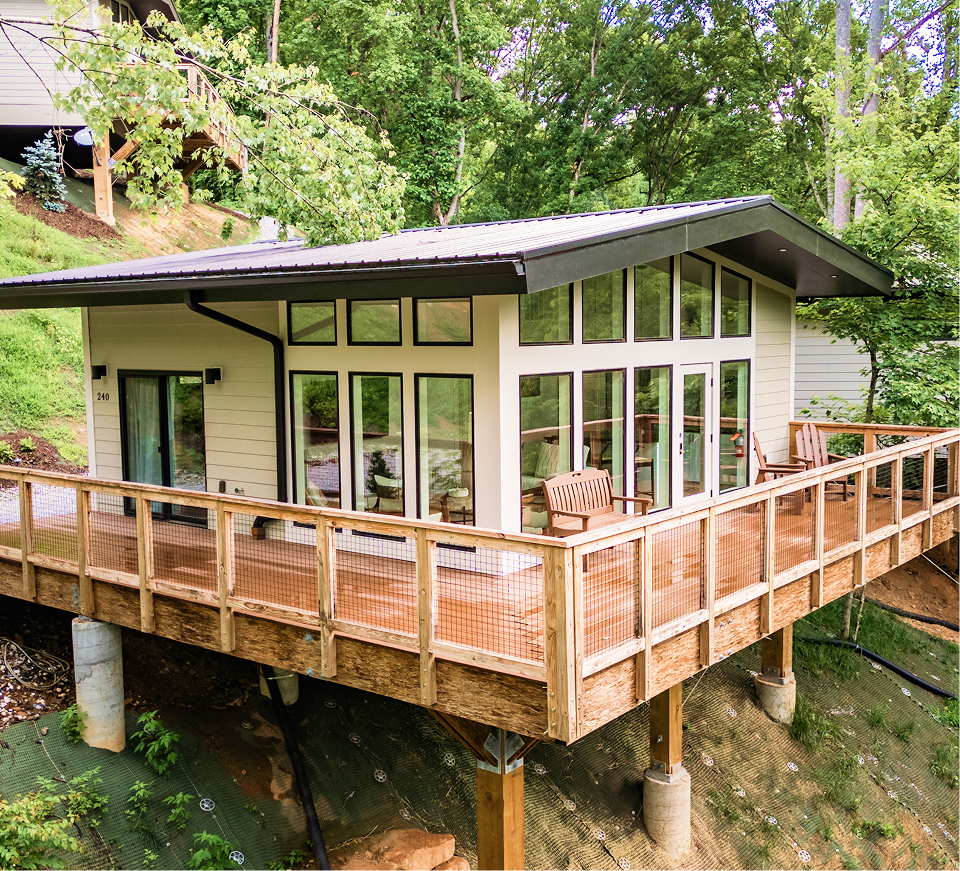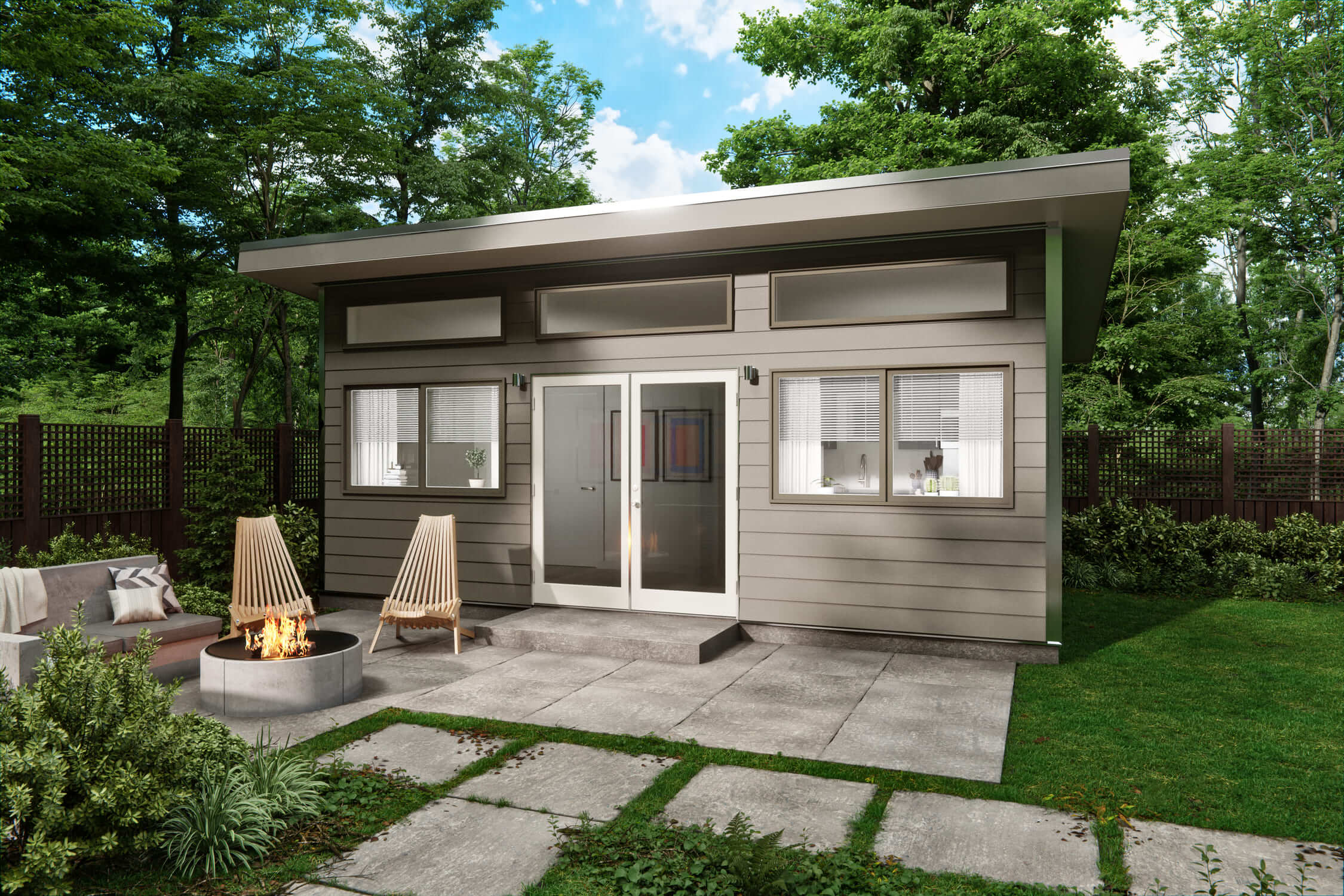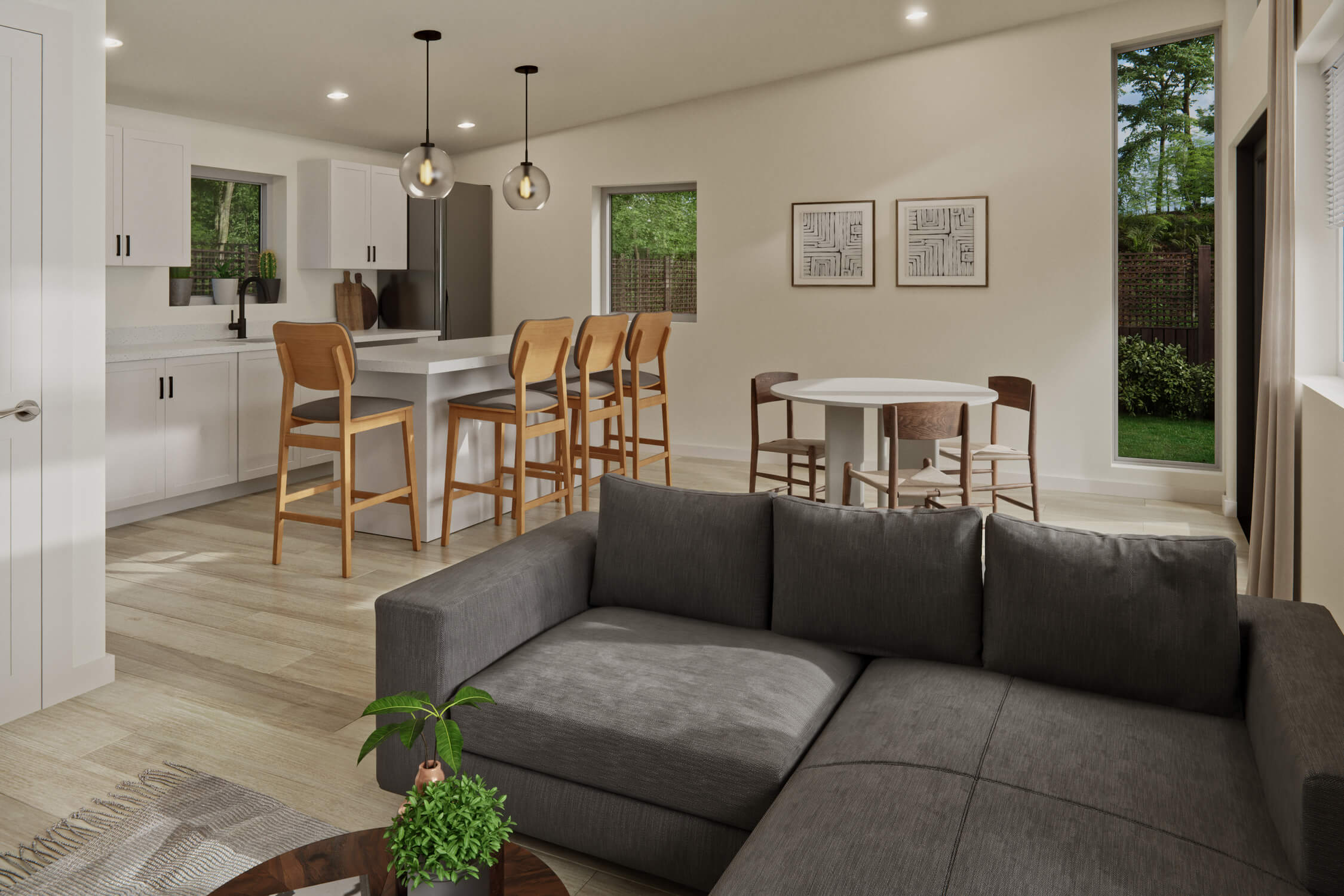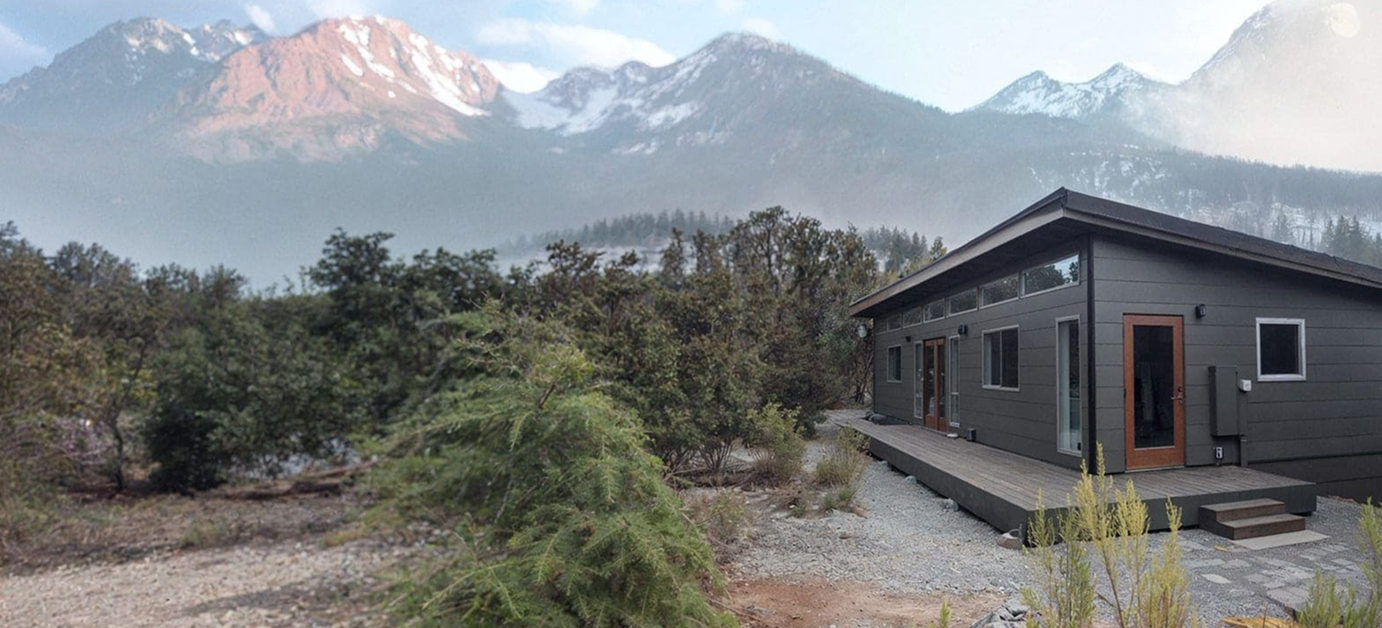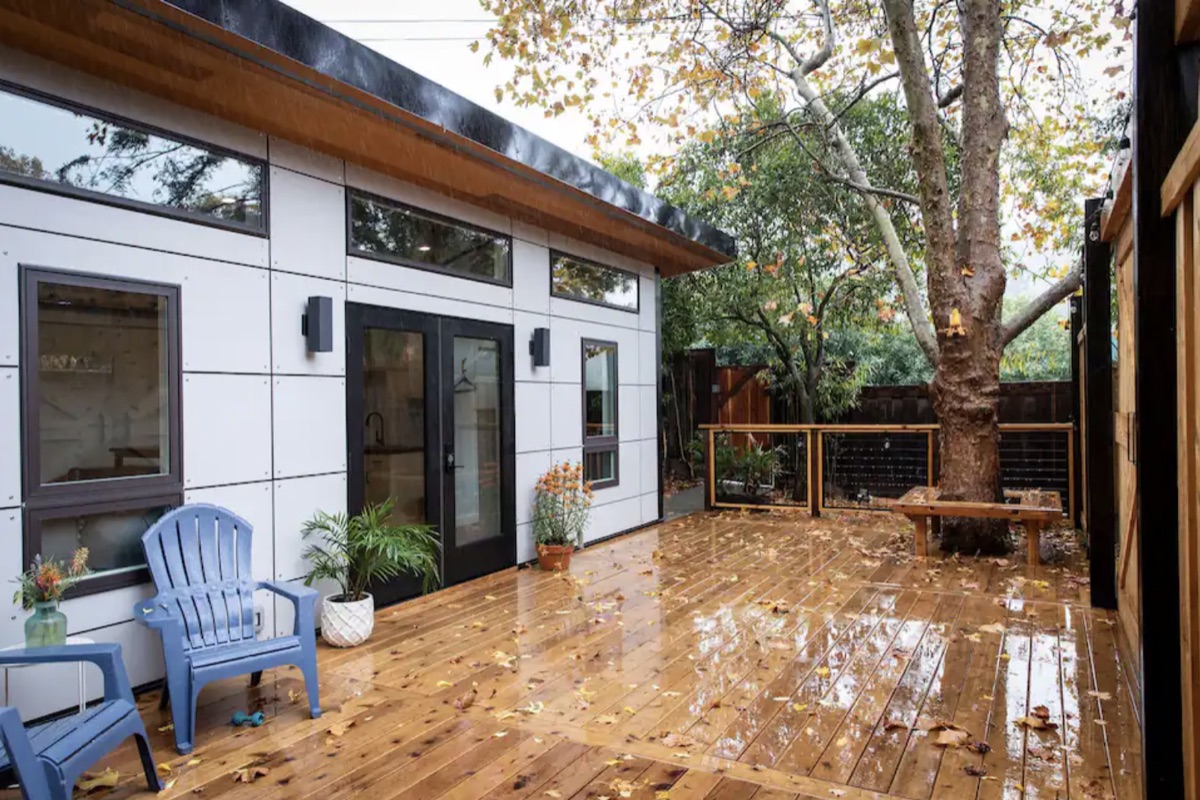
Studio Home Spotlight: A Closer Look at Our ADU Materials, Build Quality, and Process
By: Adrienne NorrisChoosing to add more usable space at home is a meaningful step, whether the goal is rental income, a quiet office, or a comfortable place for family to stay. After that decision is made, the next big question usually becomes simple: what is the best way to build it?
At Studio Home, the process of expanding your living space should feel clear and manageable. We have streamlined the conventional construction path into an approach that is quicker, more efficient, and designed for long-term performance. If you are wondering what goes into our structures, this overview walks through our ADU construction materials, our panelized building approach, and the craftsmanship details that define our work.
The Studio Home Difference: Built for Reliability
What makes a Studio Home stand out compared with many modular options or a typical stick-built addition? The difference comes down to careful execution at every step, from how we select materials to the accuracy of our manufacturing.
Responsible, High-Performing Materials
We believe good design and sustainability can work together. That starts with choosing materials that support both durability and smarter building.
- Responsibly sourced lumber: We build with FSC-certified dimensional lumber, which helps ensure the wood used in your walls comes from forests managed with environmental and social standards in mind.
- Energy-minded components: Every model includes high-performance Marvin windows and doors. These premium parts help reduce energy loss, keeping the space comfortable through changing seasons while easing demand on heating and cooling.
- Lower-impact construction choices: We select materials for strength and longevity, with an eye toward products that support a more sustainable build over time.
Exact Craftsmanship with Less Job-Site Waste
Traditional builds can be noisy, unpredictable, and waste-heavy, often producing large amounts of debris per square foot. We take a different route.
Our flat-pack, panelized system is designed to keep assembly efficient and organized. Because major components are produced in a controlled factory environment, we can maintain consistent quality while minimizing waste. On-site assembly for a typical build often results in only a single large trash bin. We also recycle all unused metal scrap and compost clean wood waste at our facility.
Personalization Without Sacrificing Quality
A backyard build should fit the way you actually live. Our prefab approach supports extensive customization without cutting corners.
Through our 3D Design Center, you can explore a wide range of sizes, window configurations, and exterior color combinations. Whether you want a compact Signature Series studio for work-from-home days or a larger Summit Series ADU designed for everyday living, the layout and look stay in your control.
Why Consider an ADU or Tiny Home?
Along with construction quality, a Studio Home can deliver practical lifestyle and financial upside.
A More Efficient Way to Use Space
Smaller footprints can encourage simpler living, with more emphasis on experiences than storage. ADUs also often require less energy to heat and cool. Since they typically connect to existing utilities, they can carry a smaller overall footprint than building an entirely separate new home. This kind of gentle infill adds housing options while helping preserve open land.
More Flexibility and Long-Term Value
Extra square footage is useful. Extra square footage that increases value is even better.
- Rental potential: Create ongoing income through a long-term tenant or a short-term rental, depending on local rules.
- Home value: Adding a permitted, well-built structure can strengthen resale value.
- Predictable build path: Our panelized kits and streamlined process are often faster and more consistent than traditional remodels, which can help reduce uncertainty in both timeline and budget. You can also use our Project Cost Calculator to model likely totals.