Panelized Flat-Pack Construction: What It Is and Why It Works
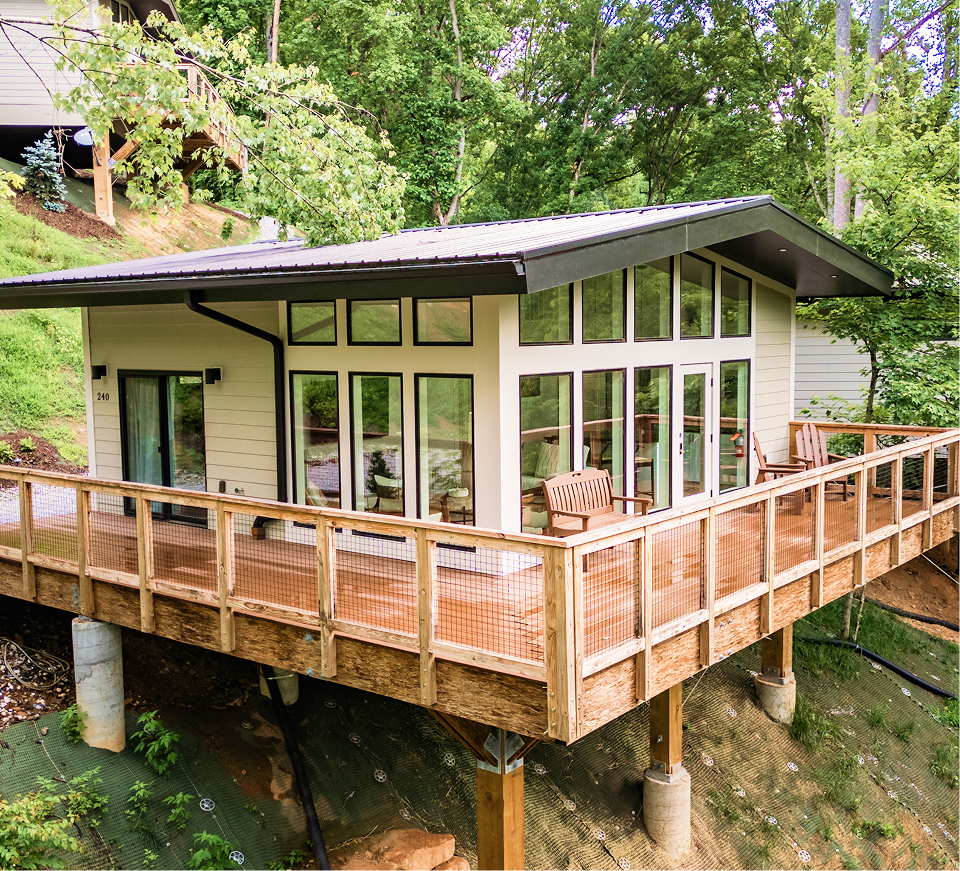
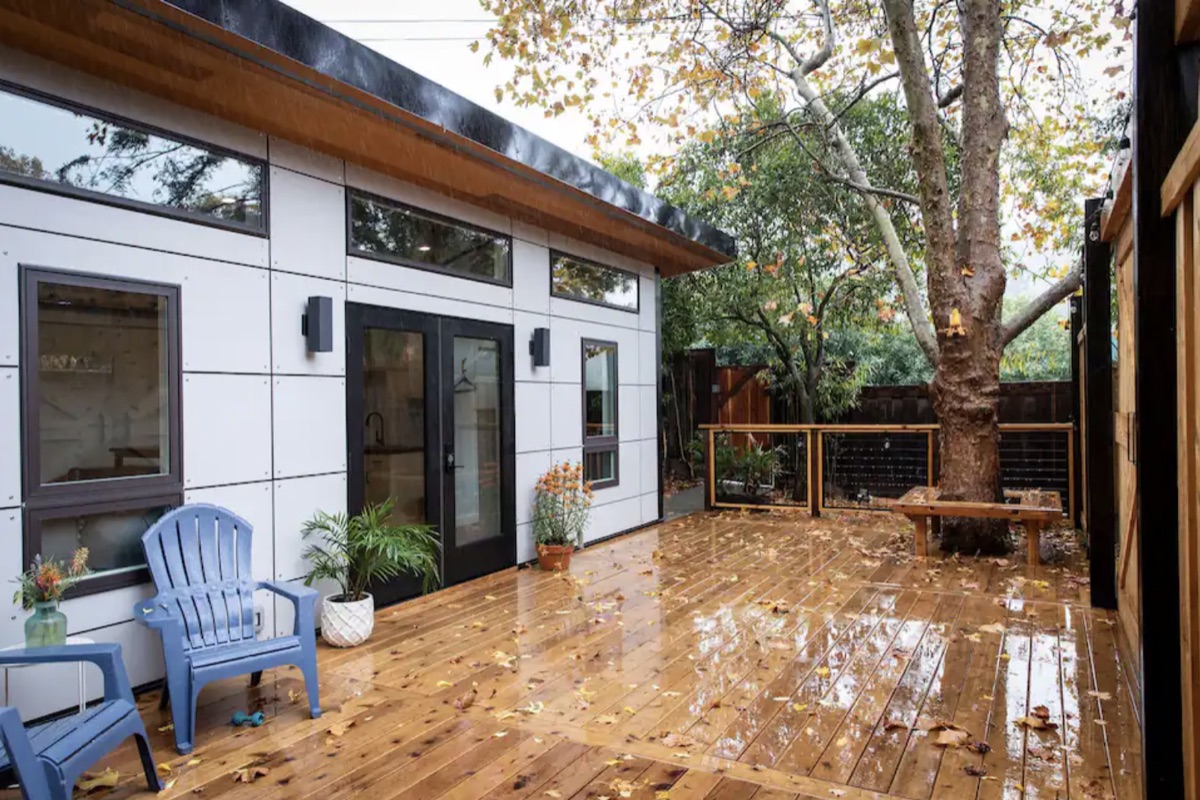
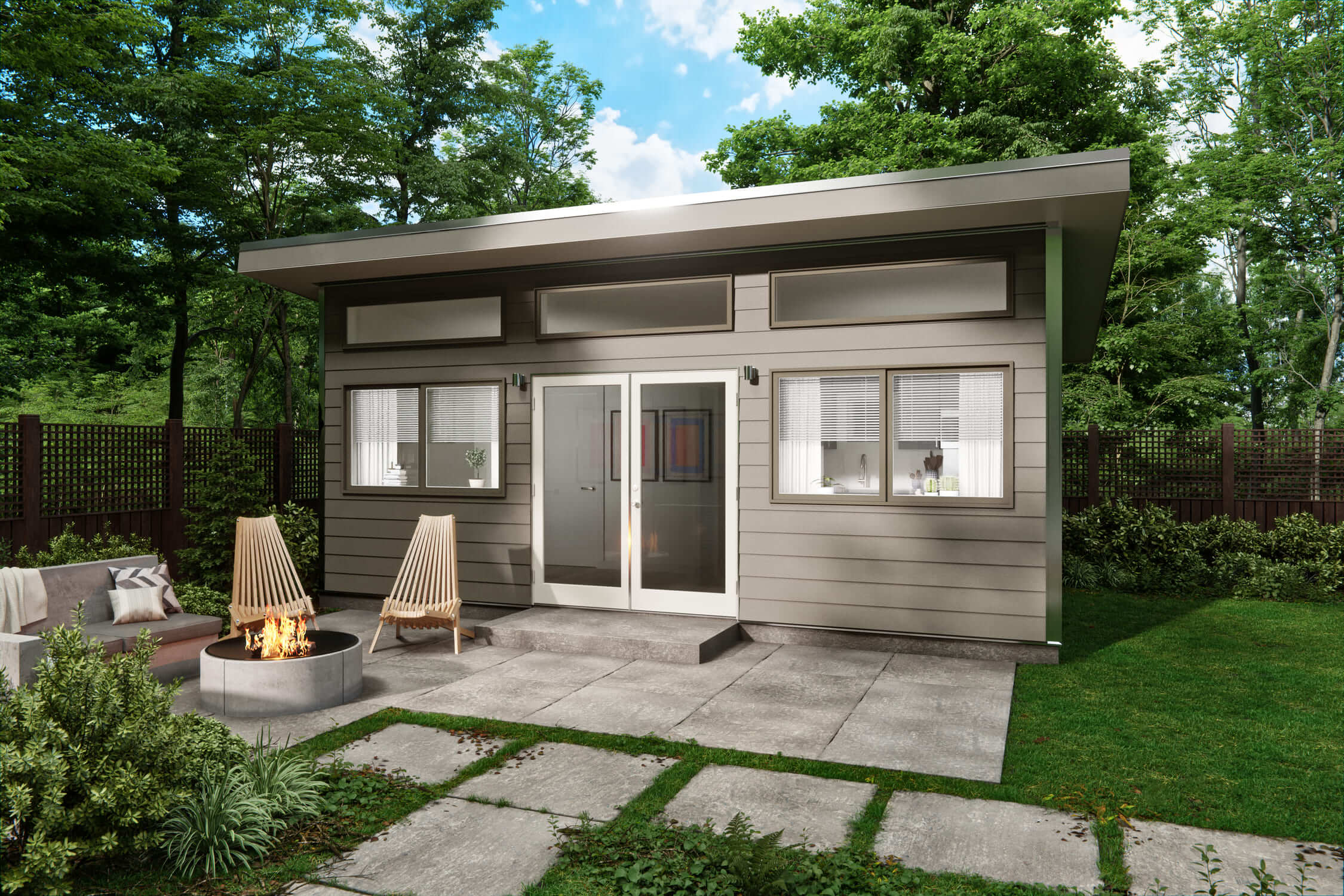
By: Adrienne NorrisIf you are comparing ways to build a backyard office, accessory dwelling unit (ADU), guest house, or even a modern storage shed, you have likely seen a wide range of prefab methods. One of the most practical and flexible approaches is a flat-pack panelized construction system.
This method blends prefab convenience with familiar construction practices and gives homeowners and builders a versatile option for many different sites. Below, we explain panelized prefab construction, how it differs from other methods, and why it may be a strong fit for your project.
Understanding Panelized Construction
Panelized construction means the main components of a structure, like wall, roof, and floor panels, are produced ahead of time in a controlled facility. The panels are then shipped flat and assembled on-site with standard tools.
Compared with stick-built construction, where materials are cut and assembled on location, panelized systems arrive measured, labeled, and ready to install. It also differs from volumetric modular, where entire rooms or building sections are constructed off-site and delivered as large units.
Volumetric modular builds often require cranes, specialized equipment, and easy access, which is not always realistic in residential backyards or remote lots.
Panelized flat-pack kits sit in the middle. They are faster than traditional stick-building, typically easier to deliver than modular units, and can be assembled using common building techniques.
Why Choose a Panelized Flat-Pack System?
The construction method you pick can affect schedule, budget, and the overall experience. Panelized flat-pack systems stand out because they balance flexibility with predictability.
1. Preconstruction Support Built In
A major benefit is the support included with the kit. Instead of sourcing separate architectural and structural services, these systems often include:
- Structural engineering
- Permit-ready plans
- Detailed design documentation
This can reduce complexity, save time, and help keep the project code-compliant from the beginning.
2. Faster, More Adaptable On-Site Assembly
Because panels are pre-cut and prepared, on-site build time is often much shorter than standard framing. Flat-packed delivery also makes it easier to stage materials in tight areas, rural locations, or sites with limited access.
3. Familiar Construction, Fewer Surprises
Since panelized kits are typically built to local code using conventional techniques, contractors can work without learning proprietary systems. In many cases, that means:
- Fewer special inspection requirements
- Less friction during plan review
- A more straightforward conversation with local permitting offices
What Is Included in a Flat-Pack Kit?
A panelized flat-pack kit commonly includes:
- Pre-cut and labeled wall, roof, and floor panels
- Necessary hardware
- Step-by-step instructions
- Engineering and permit-ready documentation
Kits are packaged to ship flat, which can simplify delivery and staging. Once on-site, the structure is assembled using standard building methods, without special tools or training.
Is a Panelized Kit the Right Choice?
Panelized flat-pack construction is often a great match for projects that need easier delivery, tighter budgets, or a faster timeline without sacrificing build quality.
There are times when another method may make more sense:
- Stick-built can be better for highly custom, one-off designs.
- Volumetric modular can be a fit when access is wide open and speed is the top priority.
For many homeowners and builders, though, panelized flat-pack kits offer a strong blend of prefab efficiency, reliable construction, and support that reduces stress.