The Benefits of Adding an ADU: Flexibility, Value, and New Ways to Live
By: Adrienne NorrisWhat Is an Accessory Dwelling Unit (ADU)?
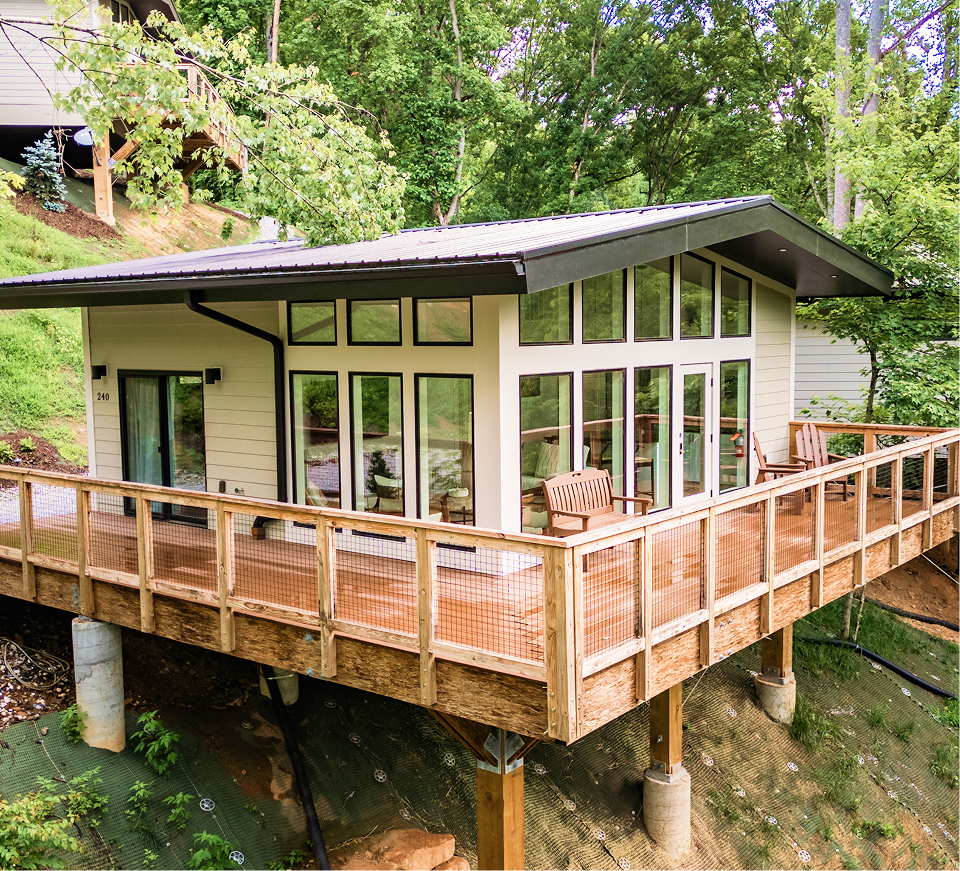
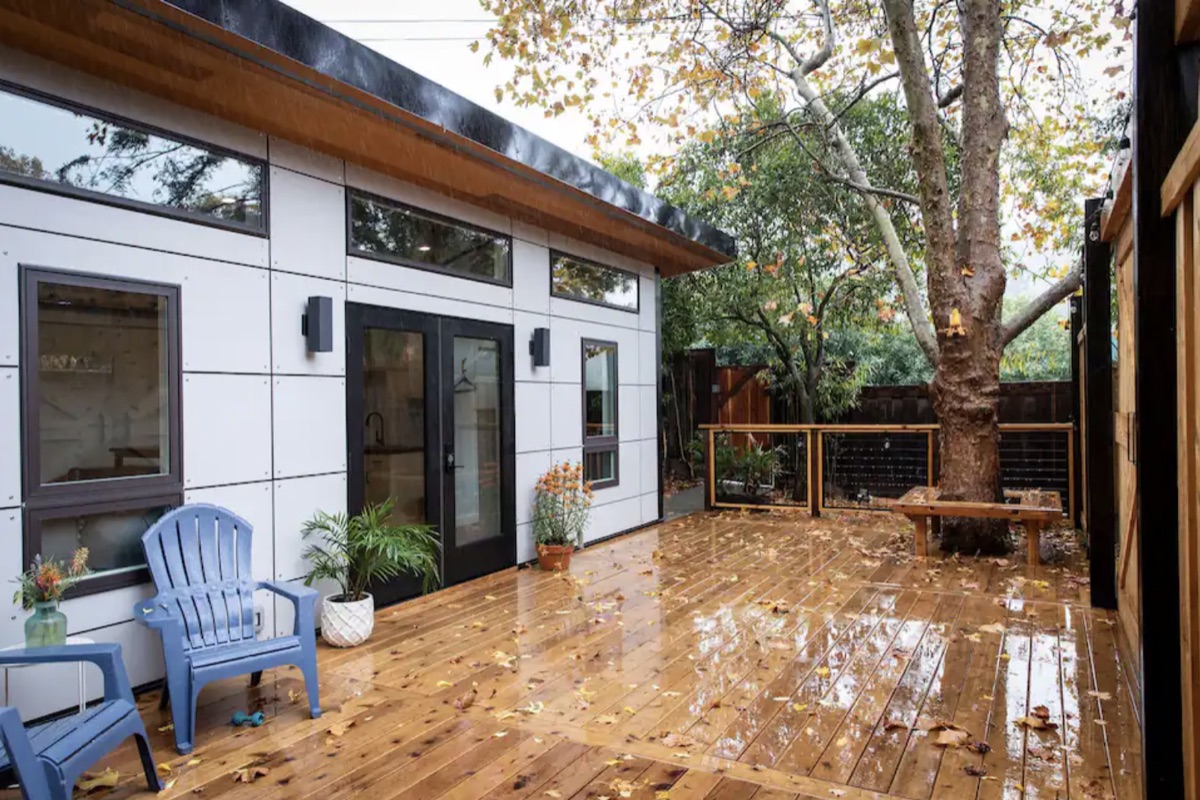
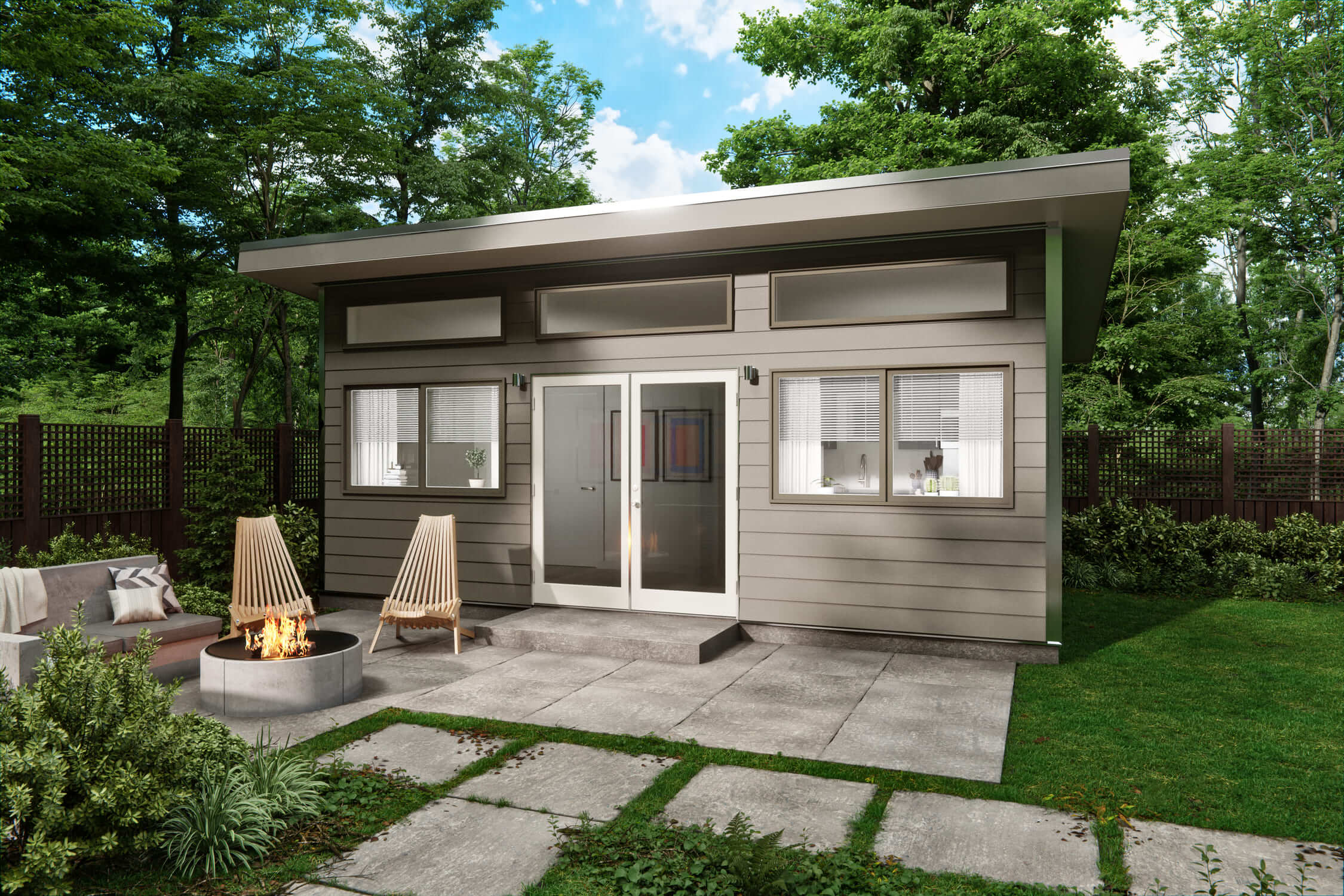
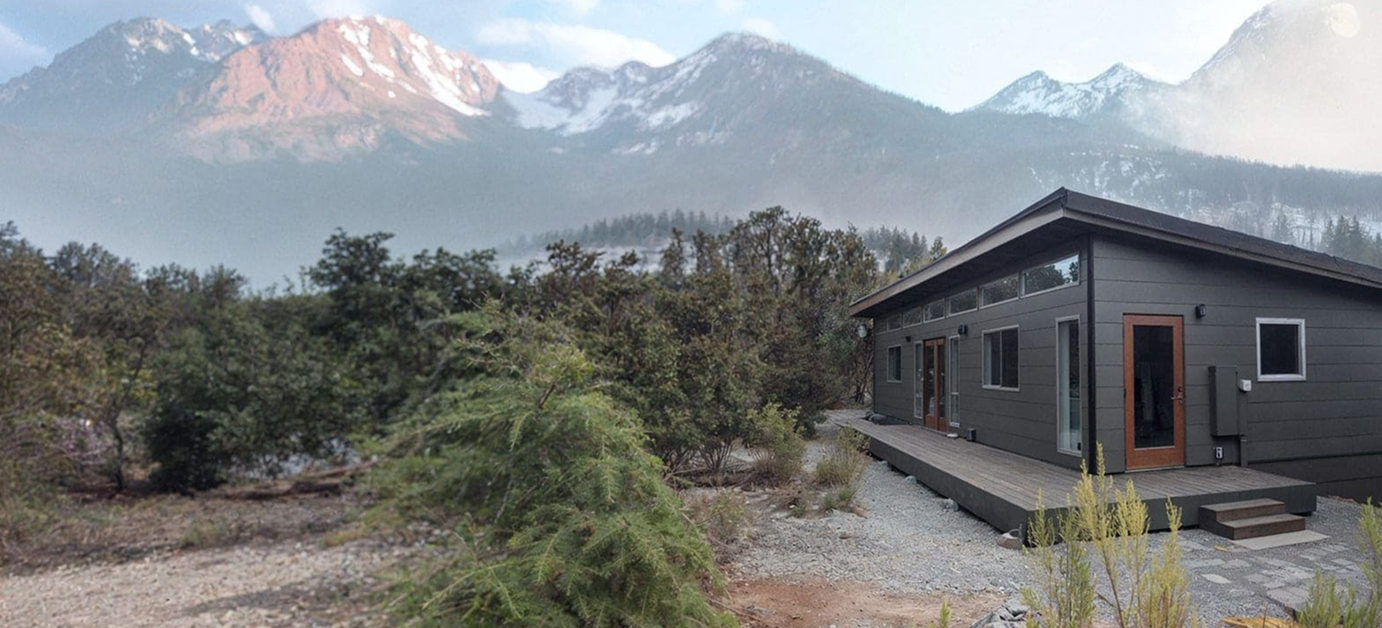
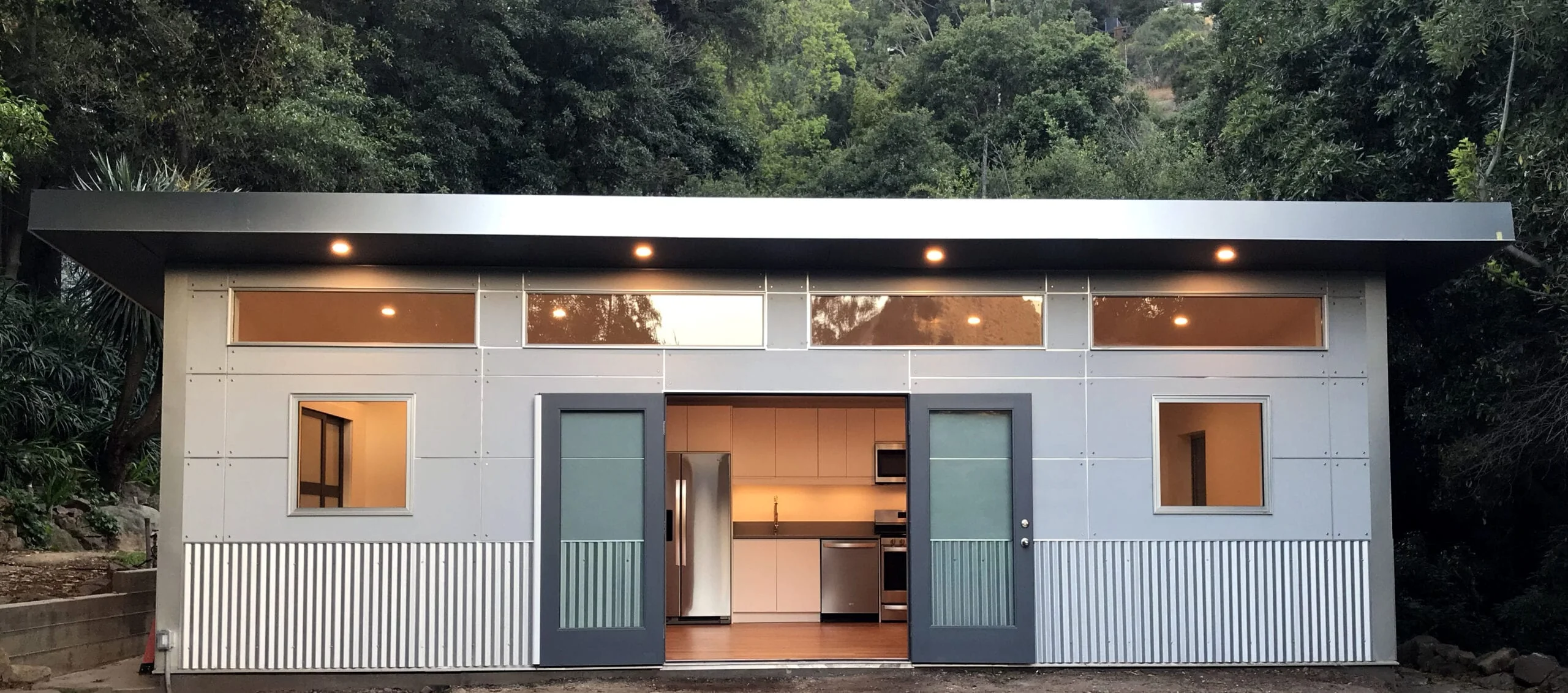
An accessory dwelling unit, commonly called an ADU, is a secondary living space on your property, often built in the backyard. ADUs are popular because they can be tailored to specific needs, and because a detached layout can add livable space without the disruption of a major remodel. Whether someone calls it a granny flat, casita, cottage, or in-law suite, an ADU can take many forms.
Investing in an ADU can feel like a big step, so this guide breaks down the practical value an ADU can offer and shares ideas for how to make the space work for your life.
How ADUs Can Boost ROI
You have probably seen ADUs pop up more often lately, from news coverage to updated local regulations to everyday conversations. These backyard dwellings are not only a hot topic in real estate. They are also becoming more desirable when homeowners consider resale and long-term flexibility.
ADUs can create real financial upside. A detached unit can generate rental income while keeping the primary home intact. Short-term stays can be an option in some areas, and long-term renting can provide steady cash flow. ADUs can also increase housing density with less neighborhood disruption than larger multi-family development.
Financing options have expanded in recent years, making ADUs more accessible. In some cases, monthly rent can offset a portion of the financing cost, which can improve ROI earlier than many people expect.
Beyond rental potential, a second dwelling can meaningfully increase property value. ADUs are often estimated to contribute roughly 25% to 34% to assessed value, based on research published in The Appraisal Journal. One study focused on properties with ADUs in Portland, Oregon found that adding an ADU to a single-unit property could potentially raise resale value substantially.
Flexibility for Every Stage of Life
Along with the financial case, ADUs offer lifestyle advantages that fit different seasons of life. Here are a few common ways homeowners use them.
Families with young children: An ADU can become a homework space, a learning pod, or a play and activity room that keeps noise separate from the main home. It can also work as housing for a live-in caregiver.
Families with adult children: More young adults are returning home for a range of reasons. An ADU can provide independence and privacy while still keeping everyone close.
Households supporting aging parents: For many families, an ADU can be an alternative to assisted living. A detached unit can offer comfort and proximity without a major interior remodel.
Working professionals and creators: A backyard office can reduce distractions and create a clearer boundary between work and home. We also see ADUs used as art studios, music rooms, yoga spaces, and quiet retreats.
Flexible space: Some homeowners build an ADU without one single use in mind. The space can shift from guest suite to holiday overflow to a place to recharge.