ADUs 101: What They Are, How They Work, and Common Questions
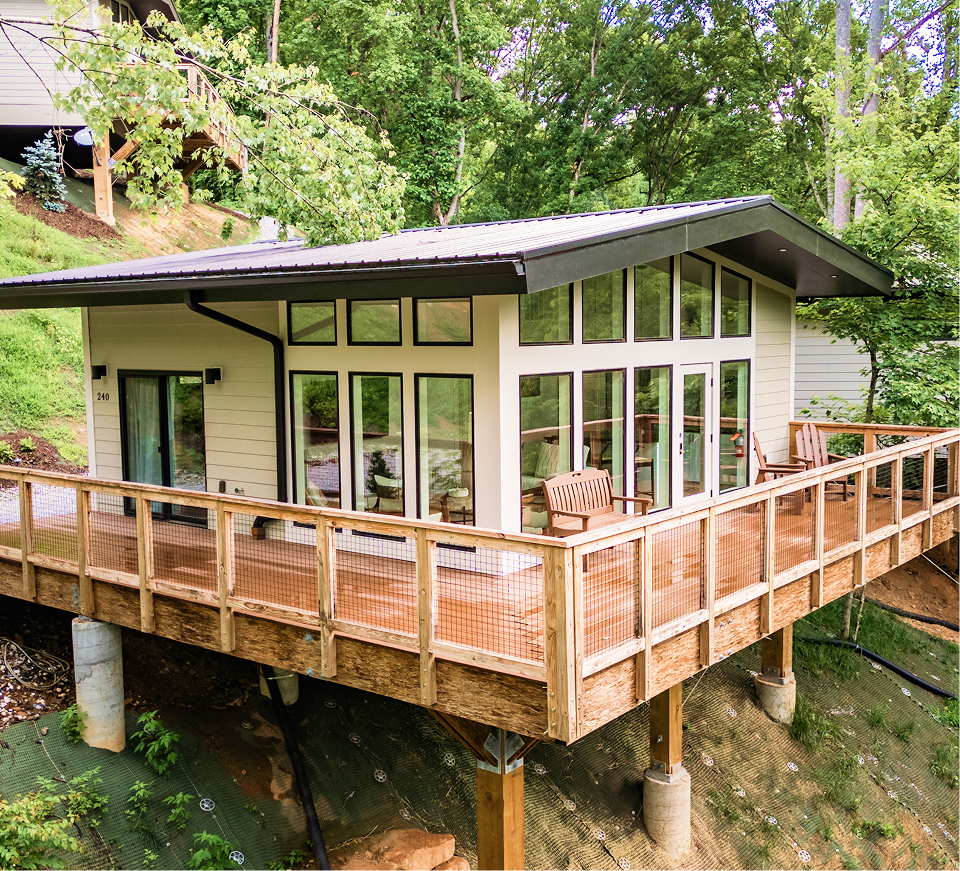
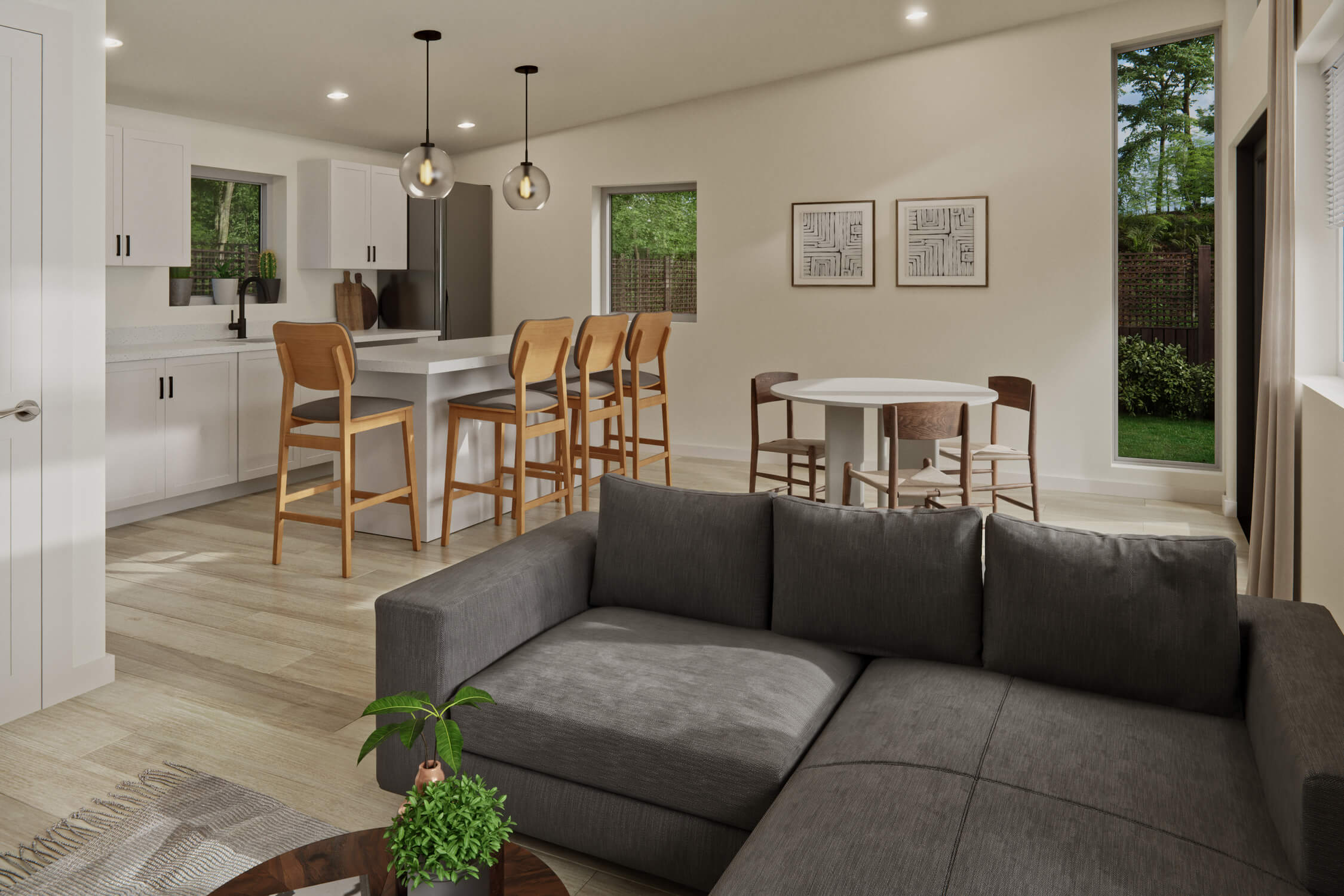
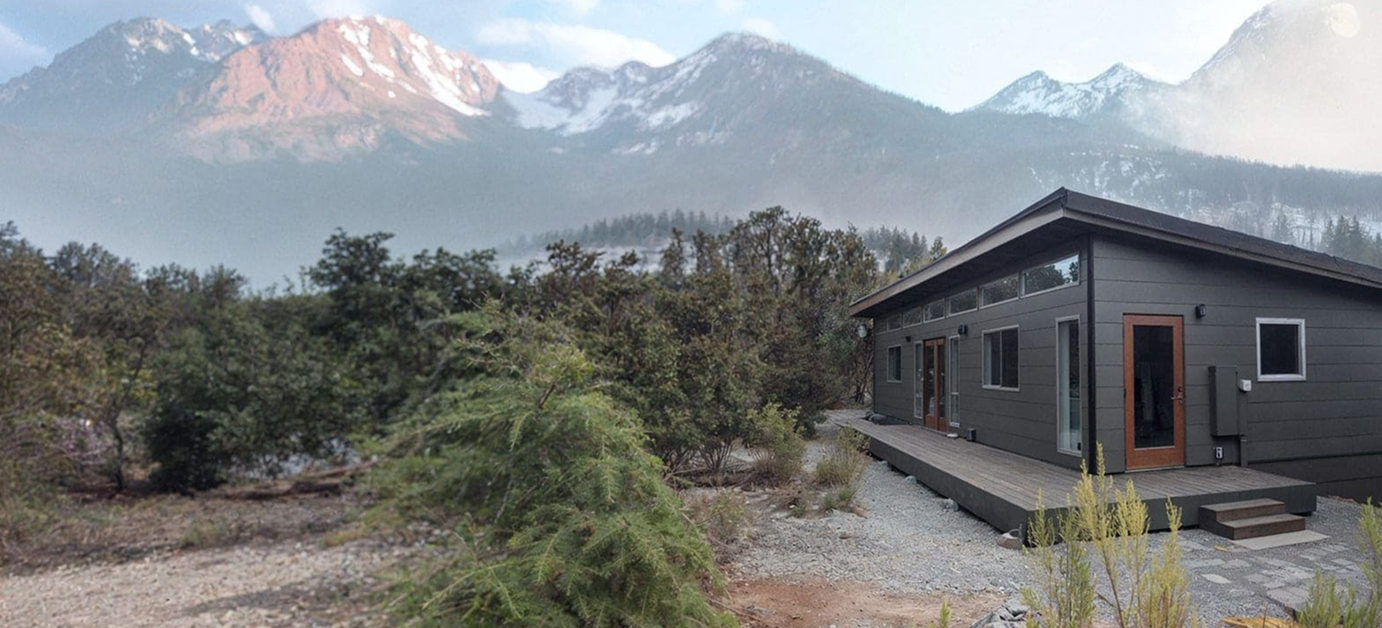
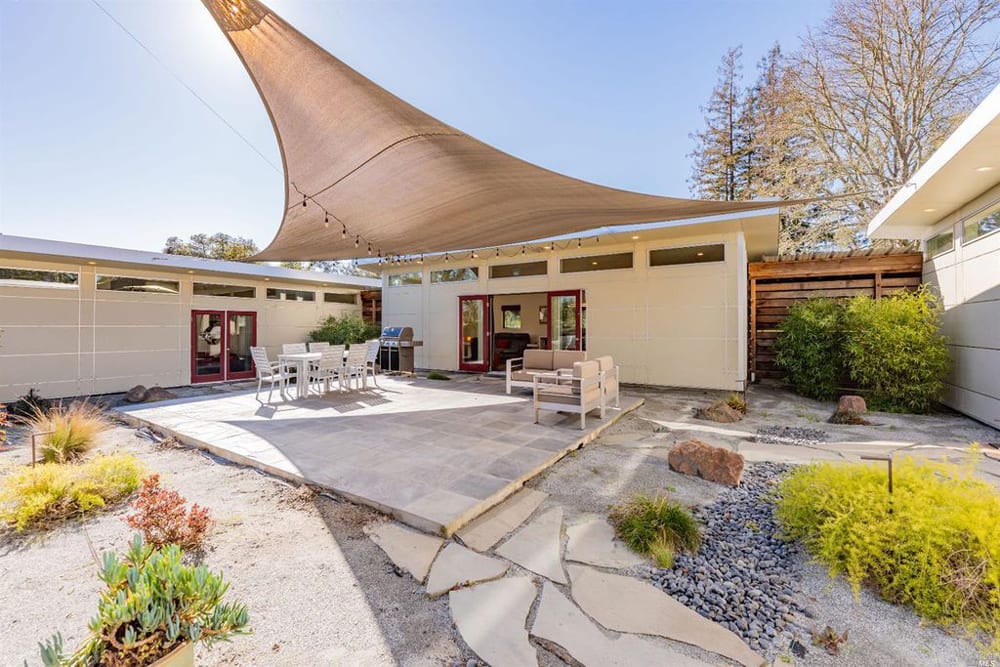
By: Adrienne NorrisAccessory dwelling units are one of the biggest trends in housing right now, and it is easy to see why. Often called granny flats or guest houses, an ADU typically includes a full kitchen and bathroom plus living and sleeping space. Depending on the property and local rules, ADUs can be attached to the main home or built as a detached structure.
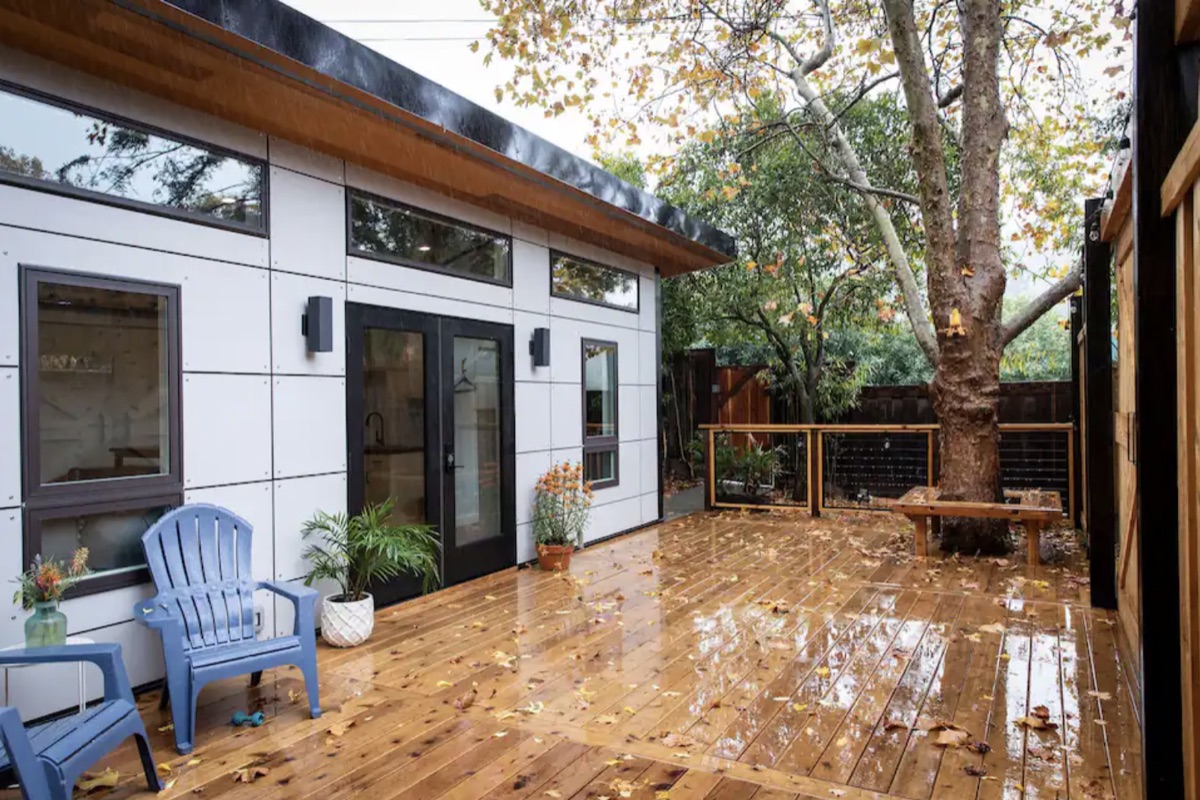
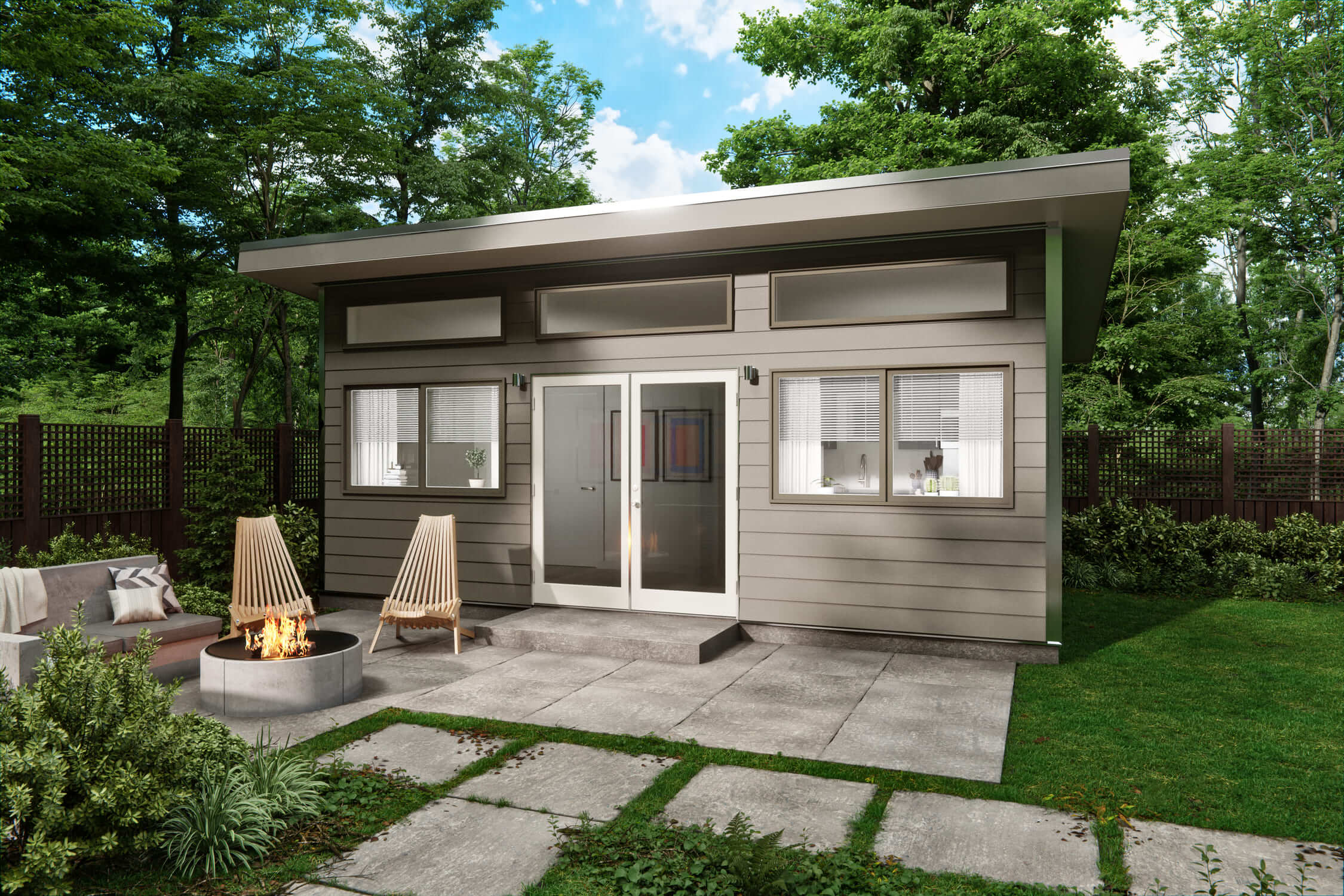
Studio Home focuses on detached ADUs, which often offer more privacy, simpler construction logistics, and a more straightforward path than many traditional additions.
Adding an ADU can give homeowners a comfortable place for guests or family, a way to generate income through renting, or a flexible space that includes utilities like plumbing and electricity.
We have completed hundreds of ADU projects across the U.S. and have built deep experience in what it takes to add one successfully. While an ADU can be simpler than a full home addition, there are still key considerations that help the project go smoothly. Below are answers to common questions.
Can I build an ADU on my property?
Possibly. Some municipalities still limit or prohibit second dwelling units. The broader trend, however, is moving toward more relaxed rules, with many cities viewing ADUs as a helpful way to add housing options without dramatically changing neighborhoods. A quick call to your building department, or an online zoning lookup, can usually clarify what is allowed.
How large can an ADU be?
Size limits vary by city and region. Many municipalities cap maximum square footage. Our most popular configurations fall in the 500 to 700 square foot range, which fits within the limits in many ADU-friendly areas. Your local building department can confirm size caps and setback requirements.
Do I need a building permit?
In almost every case, yes. We can support that process by providing a permit-ready, engineer-stamped plan set for your jurisdiction. The plan set is designed to show code compliance and typically includes energy calculations, foundation details, and any local requirements.
How much does an ADU cost?
Pricing depends on size, finishes, and install conditions. Many popular configurations land in the $200 to $250 per square foot range, not including site work.
What other costs should I plan for?
Outside of the installed ADU package, homeowners typically cover site work, foundation, utility rough-ins to the slab, and permit services. Because these vary from property to property, you can work with your contractor or, in select areas, our Certified Installation team to scope and price this work. We regularly coordinate with customer-selected contractors as well.
Who handles the build?
With Certified Installation, the team manages the build work beyond the site-related items listed above. If you hire your own contractor, we can provide guides, videos, and phone support to help them install the kit successfully.
How long does the project take?
Timelines vary by locality, and permitting is often the longest phase. After an order is finalized, it typically takes around four weeks to produce a site-specific permit plan set. Permit approval can take anywhere from a couple weeks to several months. Once approved, production and shipping is often around four weeks, with installation taking several additional weeks depending on complexity and site conditions.
What is the homeowner responsible for?
Homeowners typically support early documentation needs, such as coordinating surveys, soils reports, grading plans, or other site-specific items when required. In locations that do not accept digital submissions, customers may also be responsible for delivering printed permit documents.